
In September 2024, after a fabulous trip to Greenland, I decided to book myself on a bucket list trip to South America. The plan was to visit Machu Picchu and then travel on for an exploration of The Galapagos Islands.
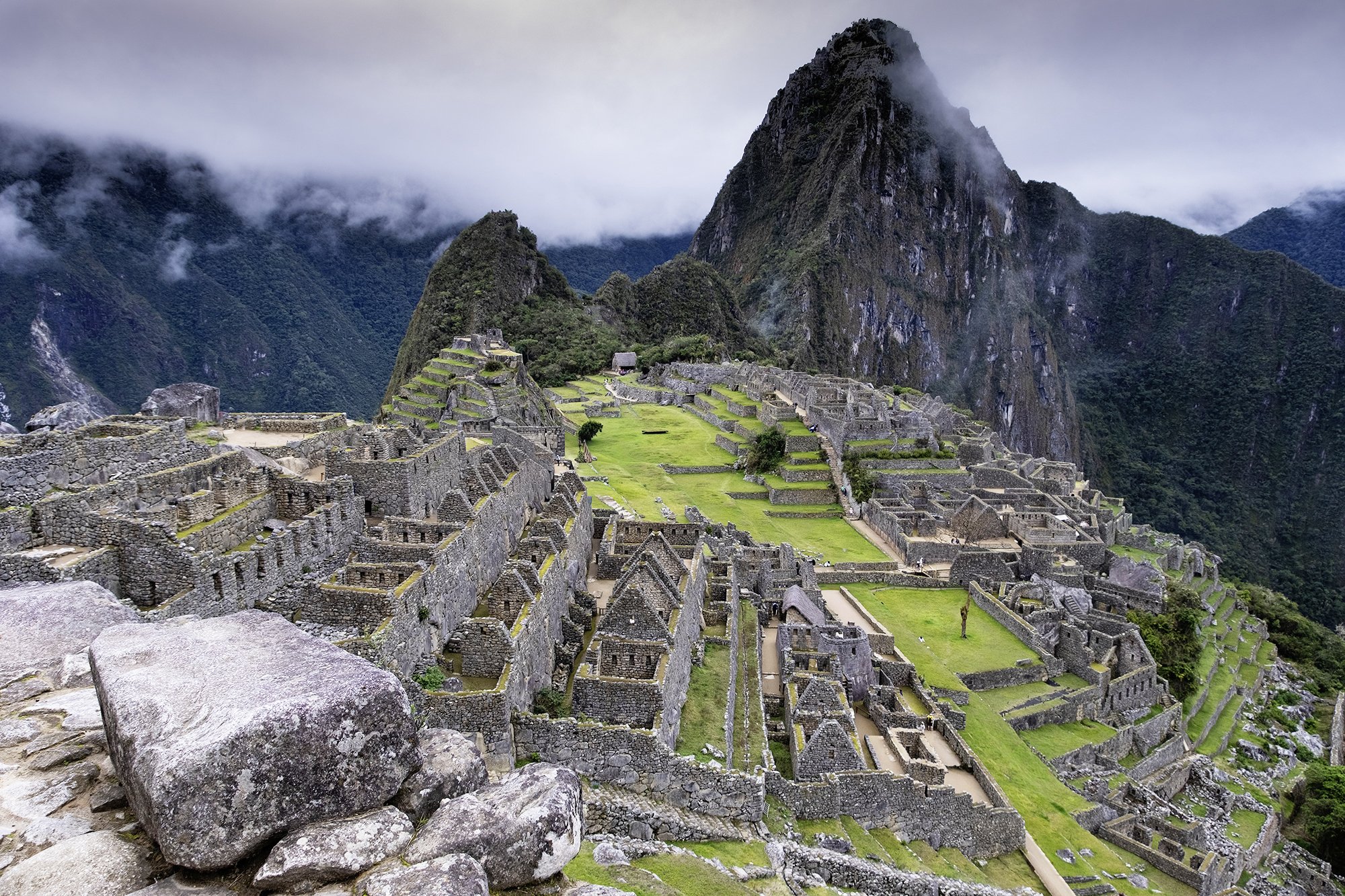
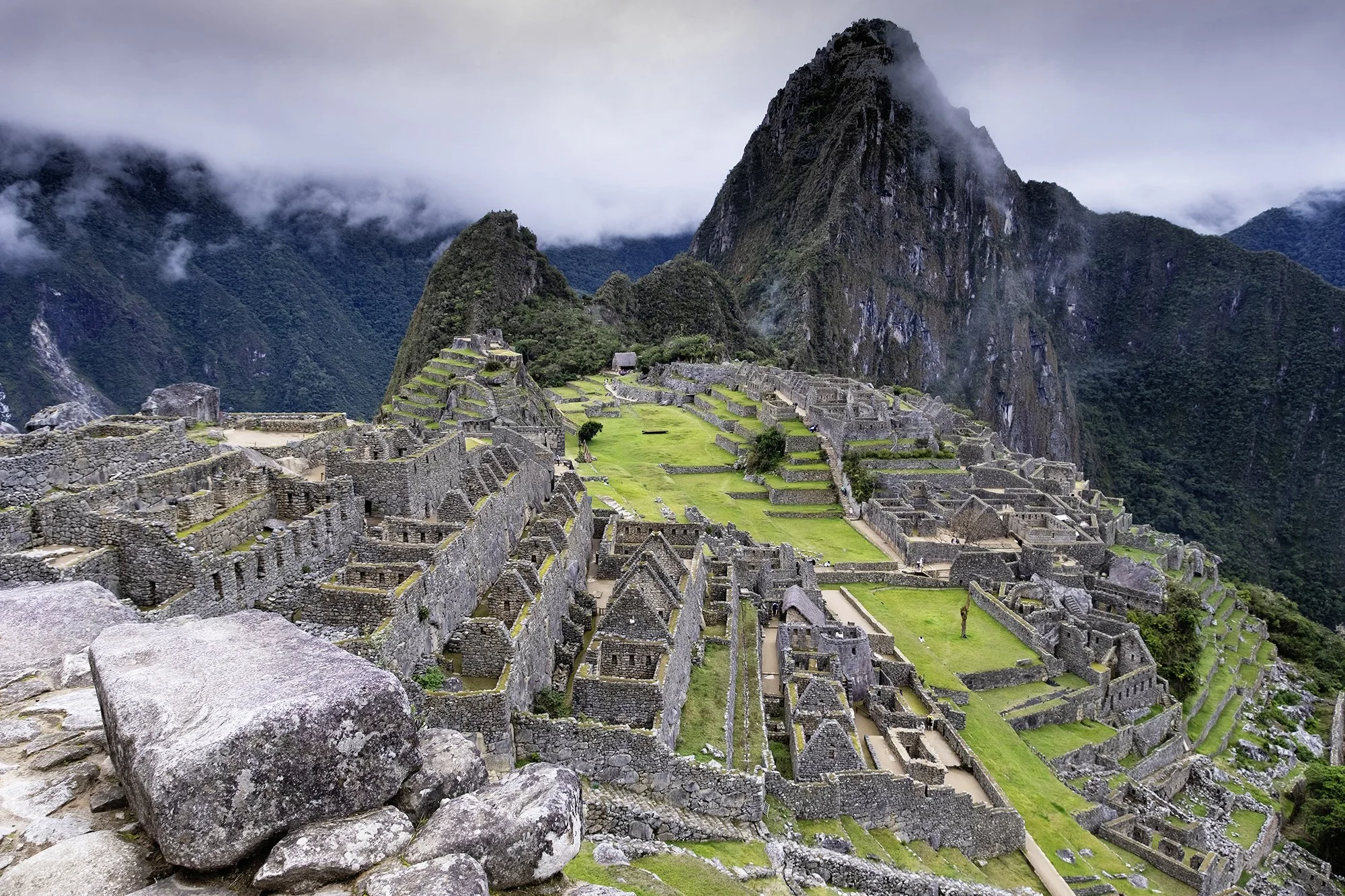
Machu Picchu was built by the Incas in the 1400s on top of a mountain ridge with incredible views that span far and wide and offer stunning panoramic vistas and I have always been fascinated by the skill required to build a city high up in the Andes above the Urubamba river and why anyone, (probably the inca Pachacutec), would have the vision to construct such a citadel there at all. It requires no imagination to see why Machu Picchu is one of the Seven Wonders of The World.
The Andes surround Machu Picchu on all sides, providing natural protection from weather and potential invaders. The Incas believed that these sacred mountains could shield and hide their city against threats.
The day trip from Cusco was very long and involved 2 bus rides and a train from Ollentaytambo along the Urubamba river to Aguas Calientes. It is a 4.5 hour journey each way so it is important to pace yourself and just ignore any snags or delays. They are all part of the experience and as a naturally impatient person I made myself just go with the flow. We left Cusco at 5.00am and returned at 8.15pm.
Once at the citadel everyone is in a tour group so there is no chance of wandering off on your own. However, the tour was very extensive and thorough so there was little incentive for leaving the group. 4,400 people visit every day and the time slots and routes through the citadel are strictly controlled. As well as booking a date and time you also select one of the three routes. If your selected route is full you are allocated another one with spaces. As I booked the holiday a year in advance I was on Route 2 which is the route that provides the iconic views of the citadel in front of Huayna Picchu. Some members of our group booked their holiday late and were allocated Route 3 which is the low level route around the ruins without the views.
Whilst seeming to be over regulated the policy does prevent over crowding and makes it possible to enjoy some moments of quiet. As a photographer at Machu Picchu it is very easy to spend all your time with your eye glued to the viewfinder but my favourite moments were when I paused and just absorbed the view and atmosphere of the place.
As with all travel holidays it is essential that you do your research to learn about the locations and what you will see there and what to photograph. It also provides a lot more context for your visit. YouTube is a very good source of information as well as the official webpages of Machu Picchu and the Peru Tourist Board.
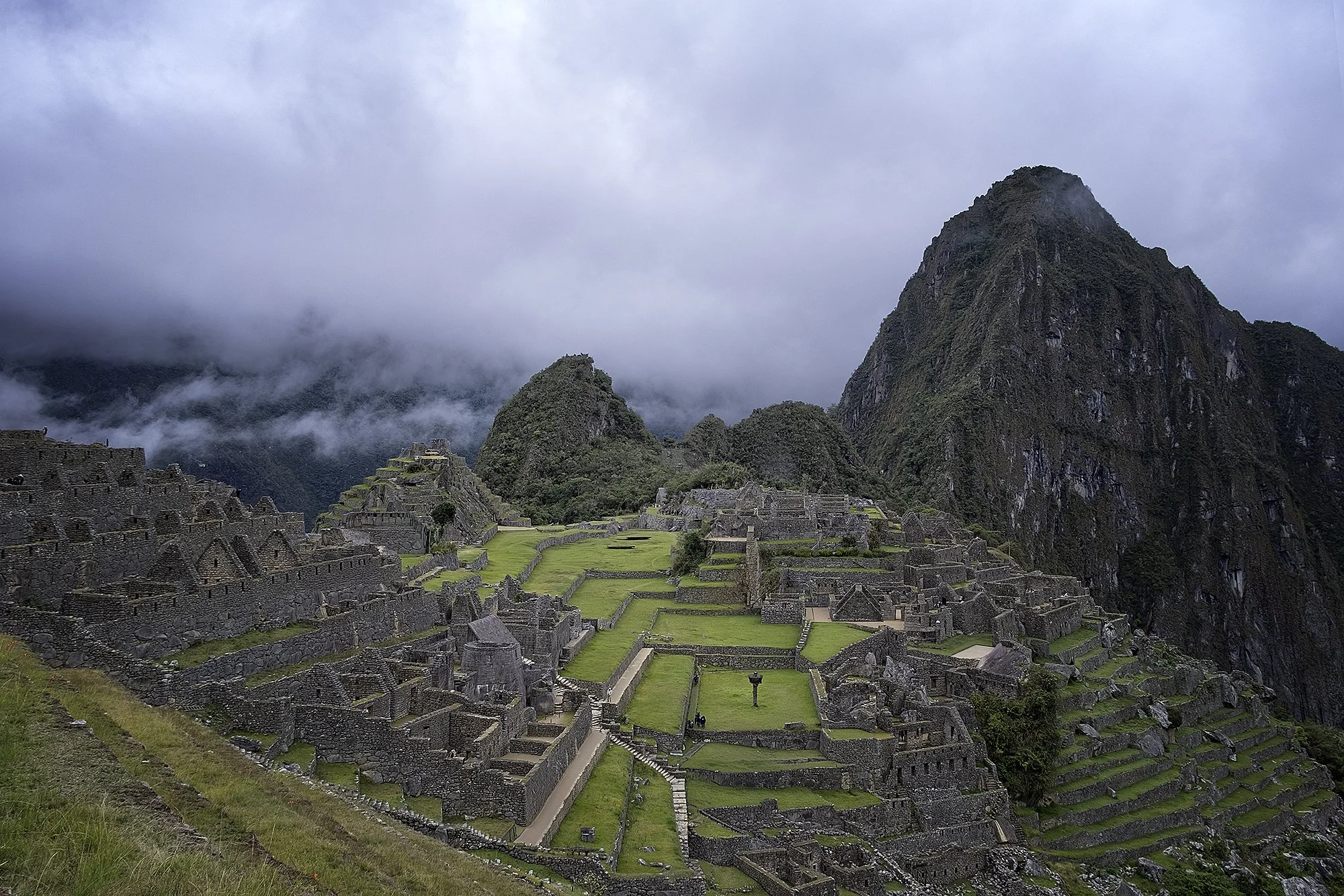
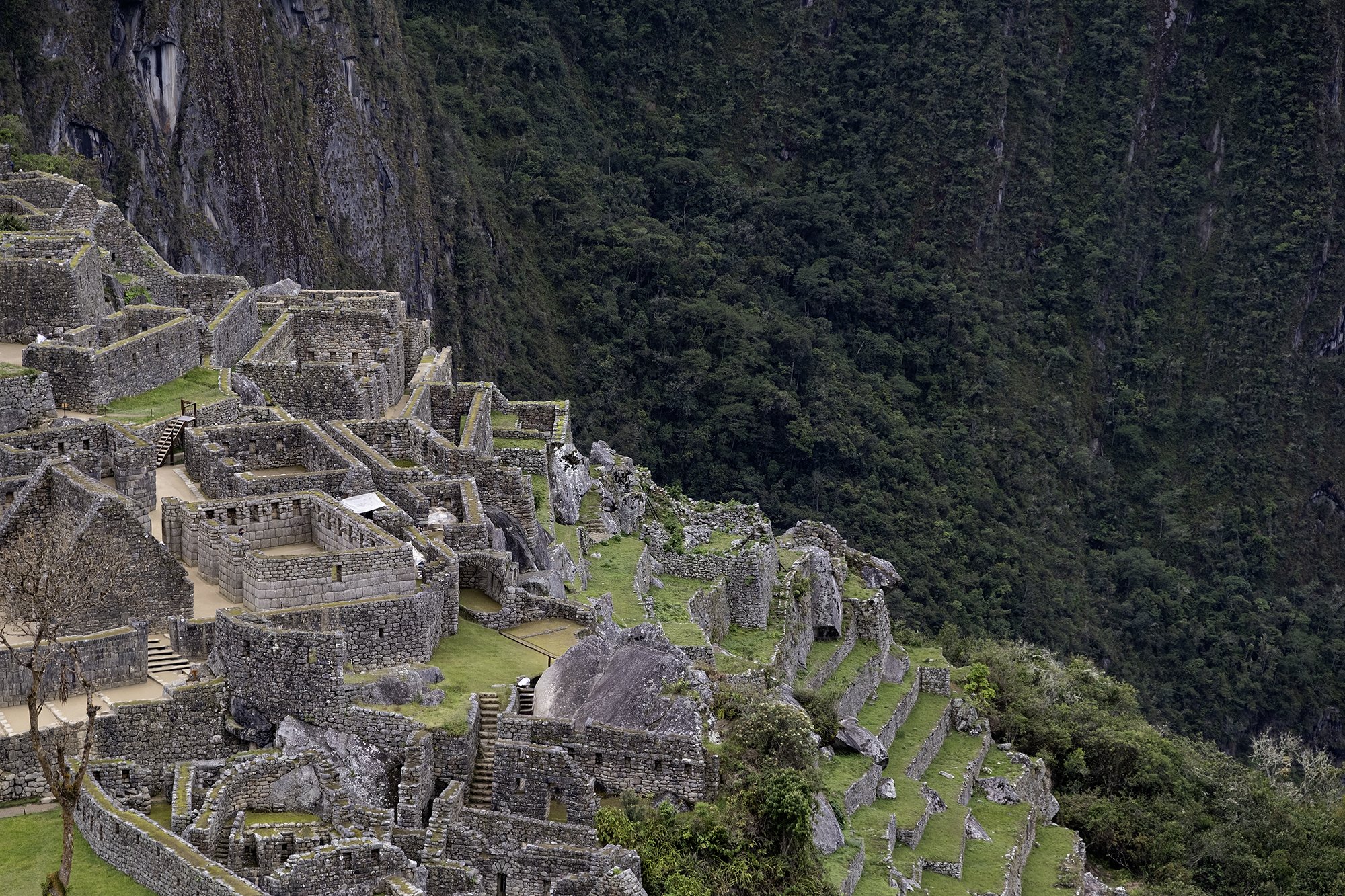
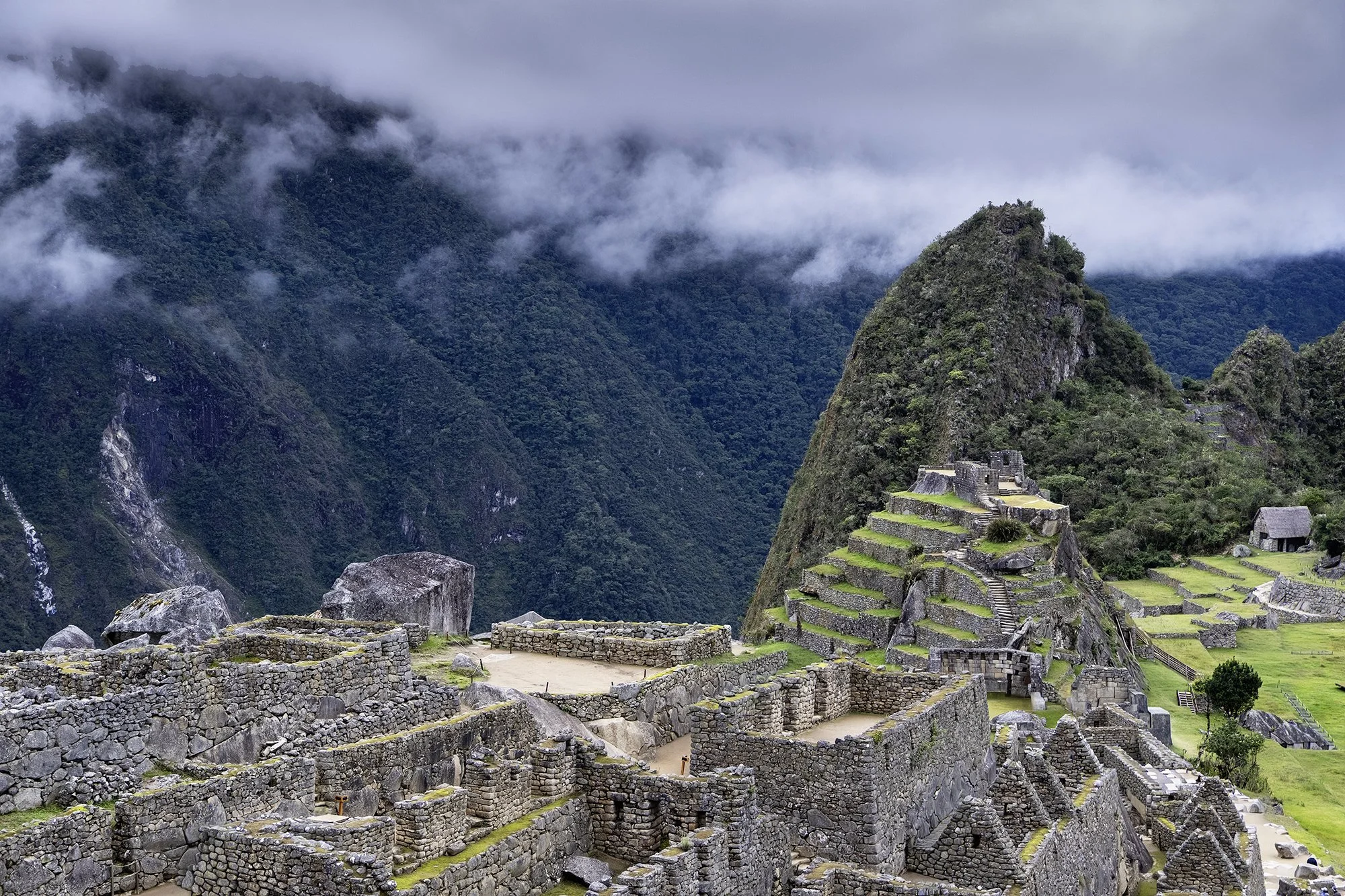
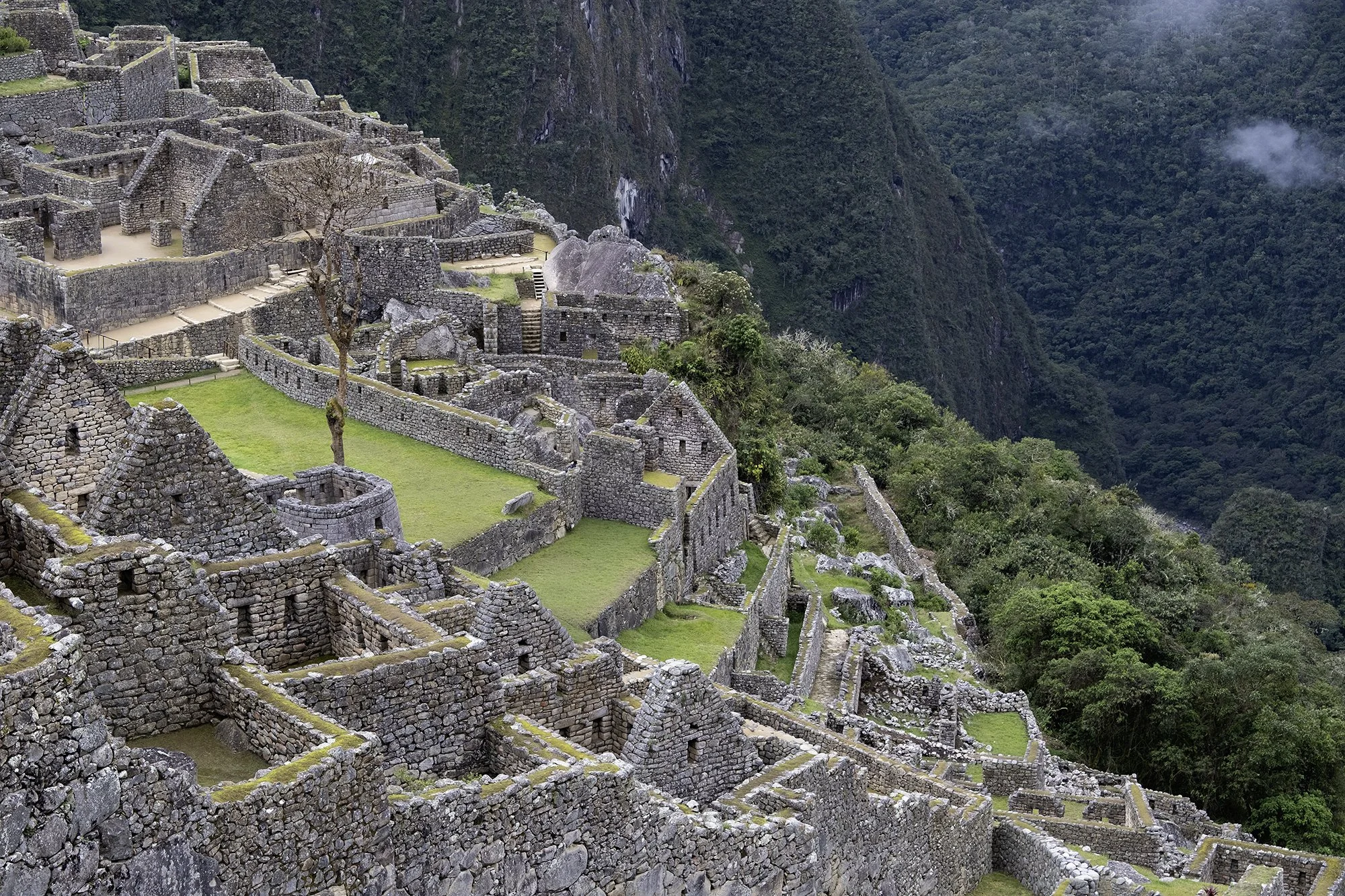
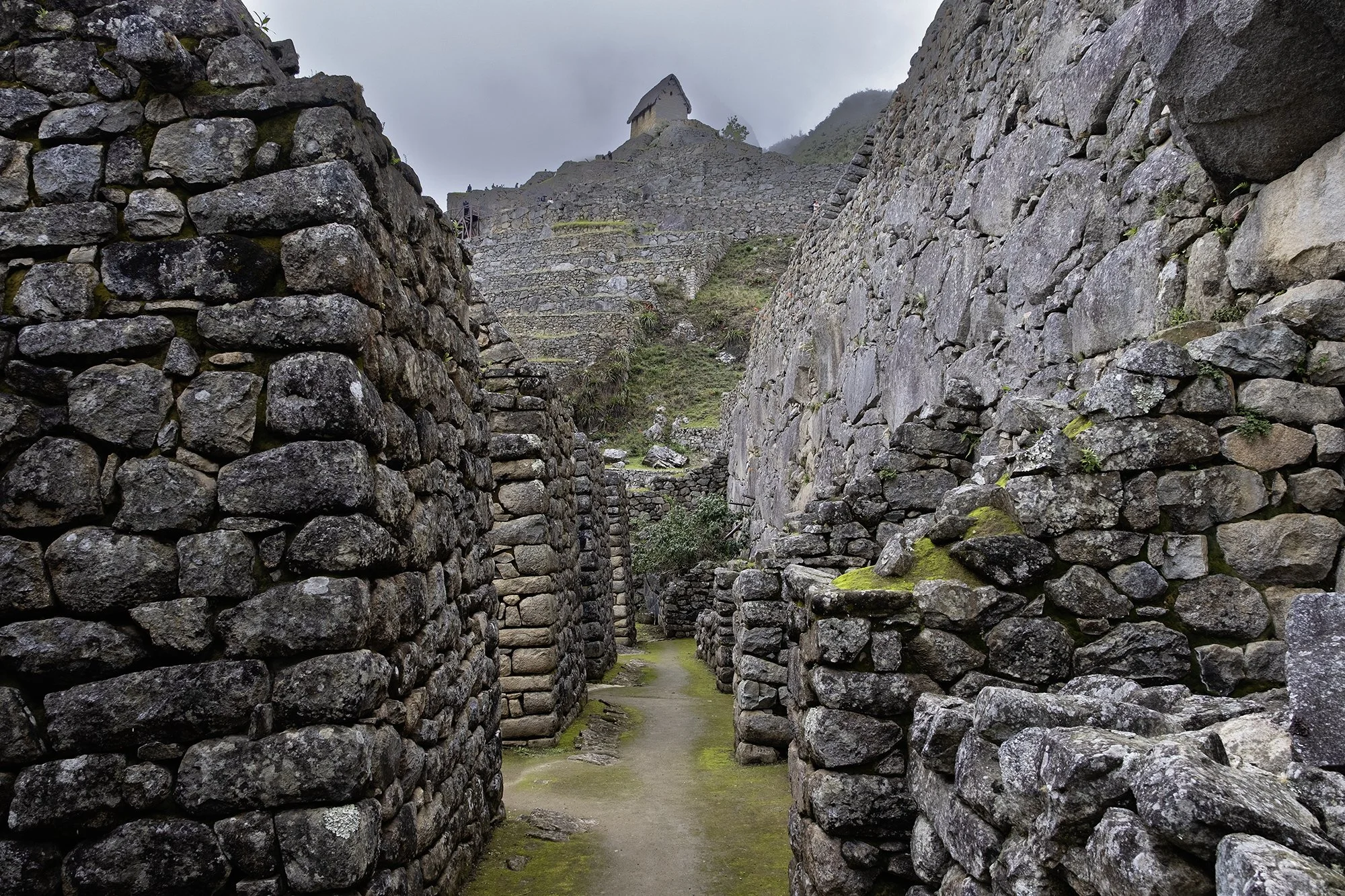
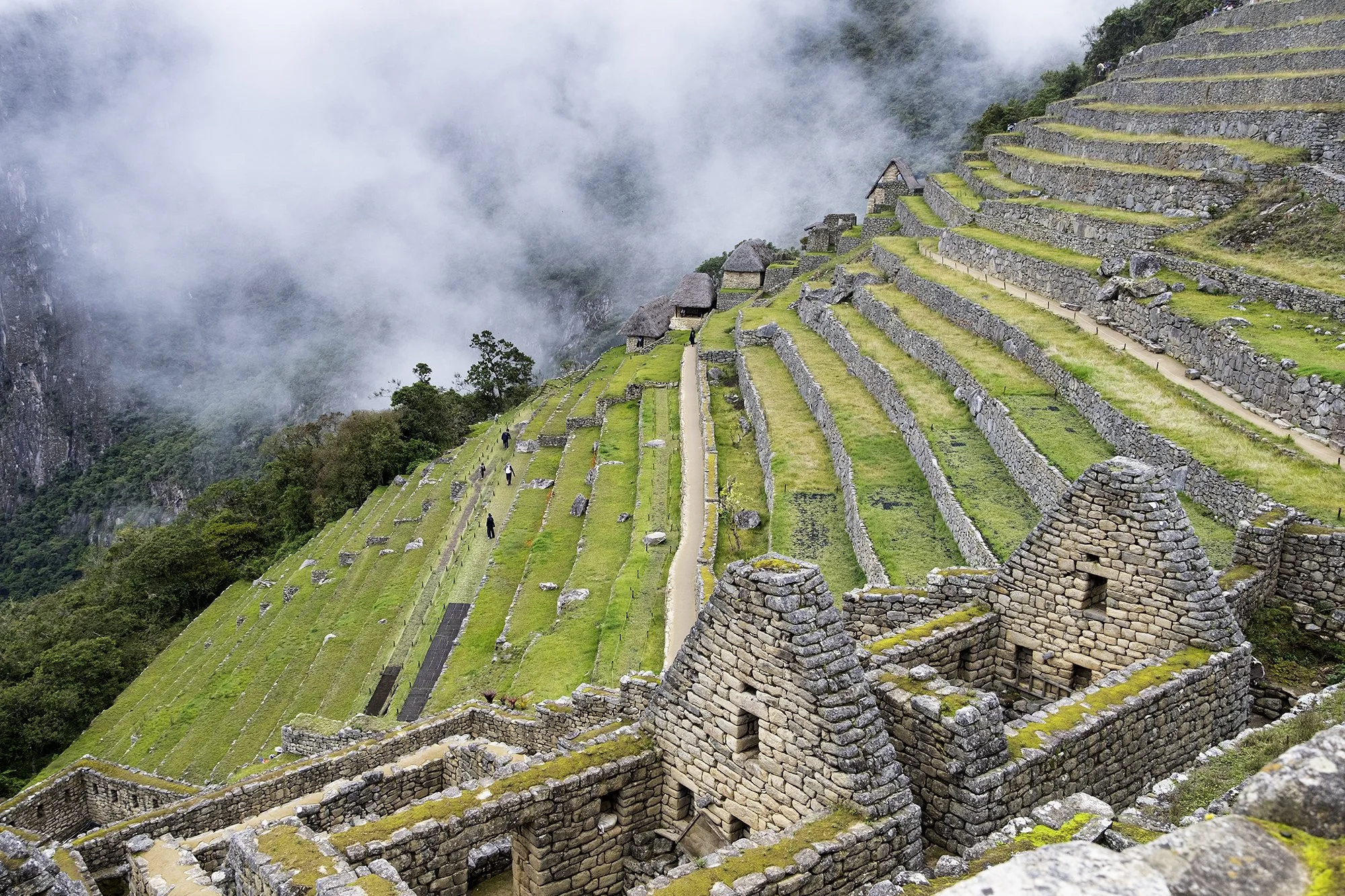
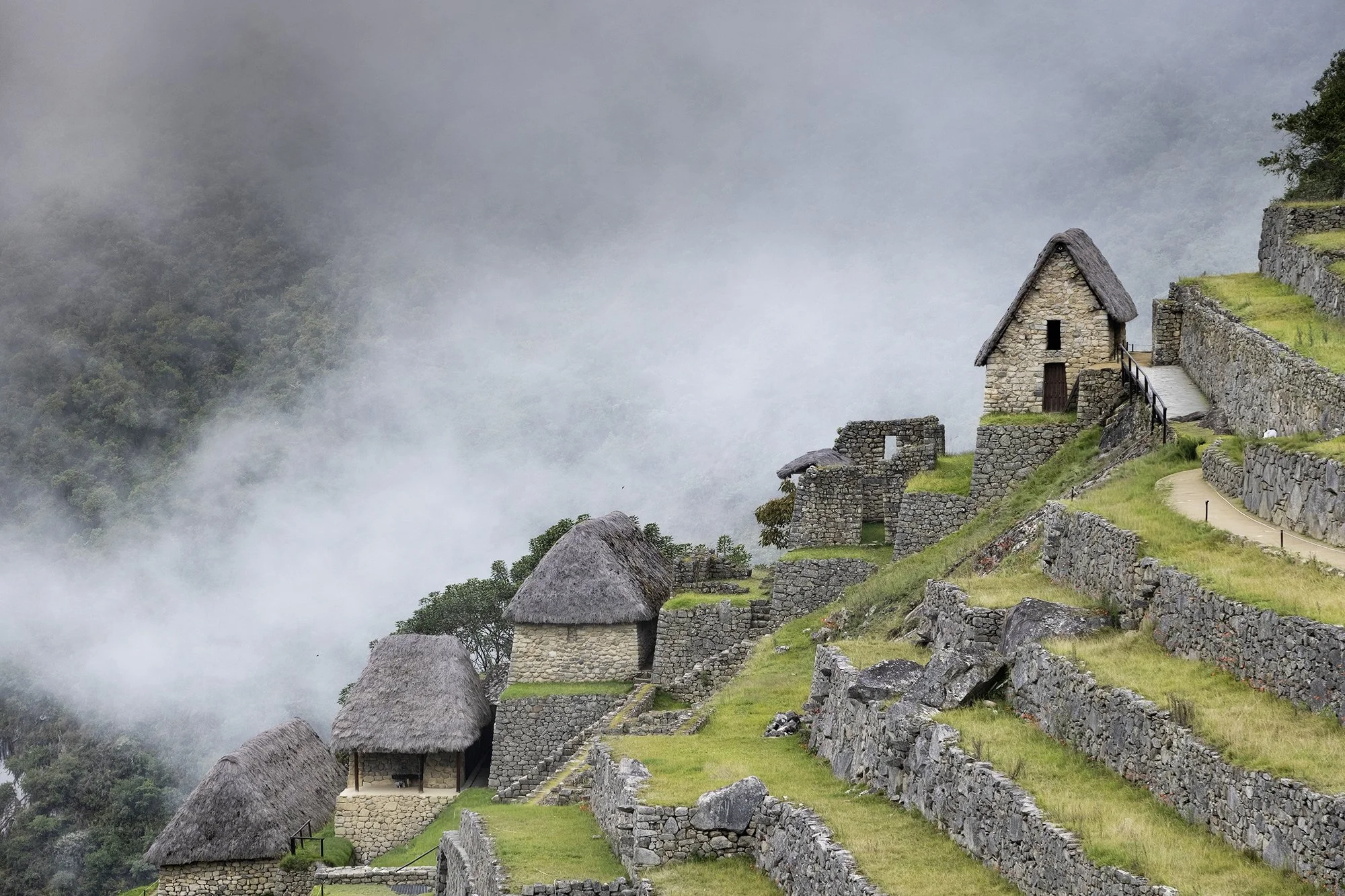
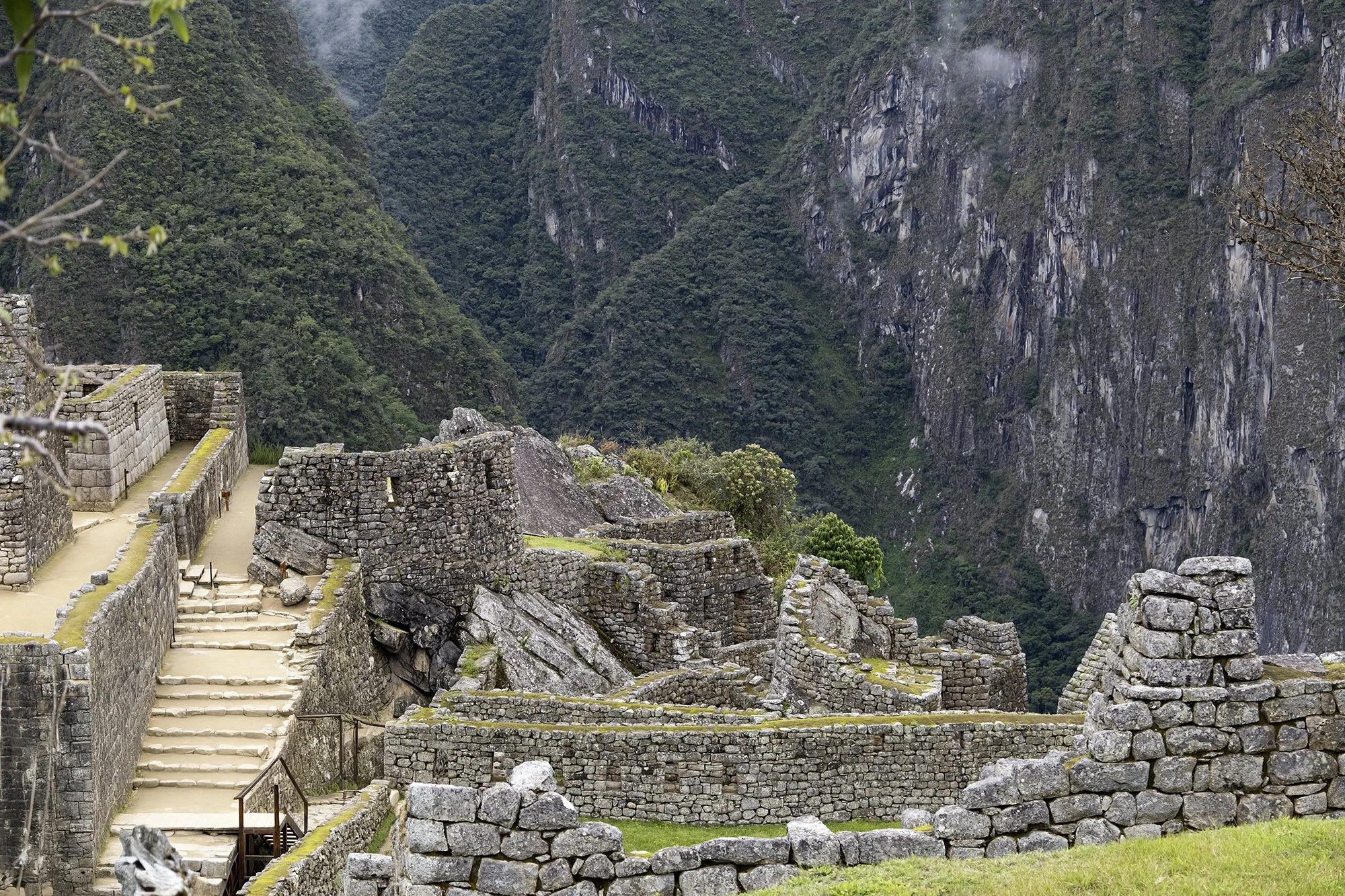
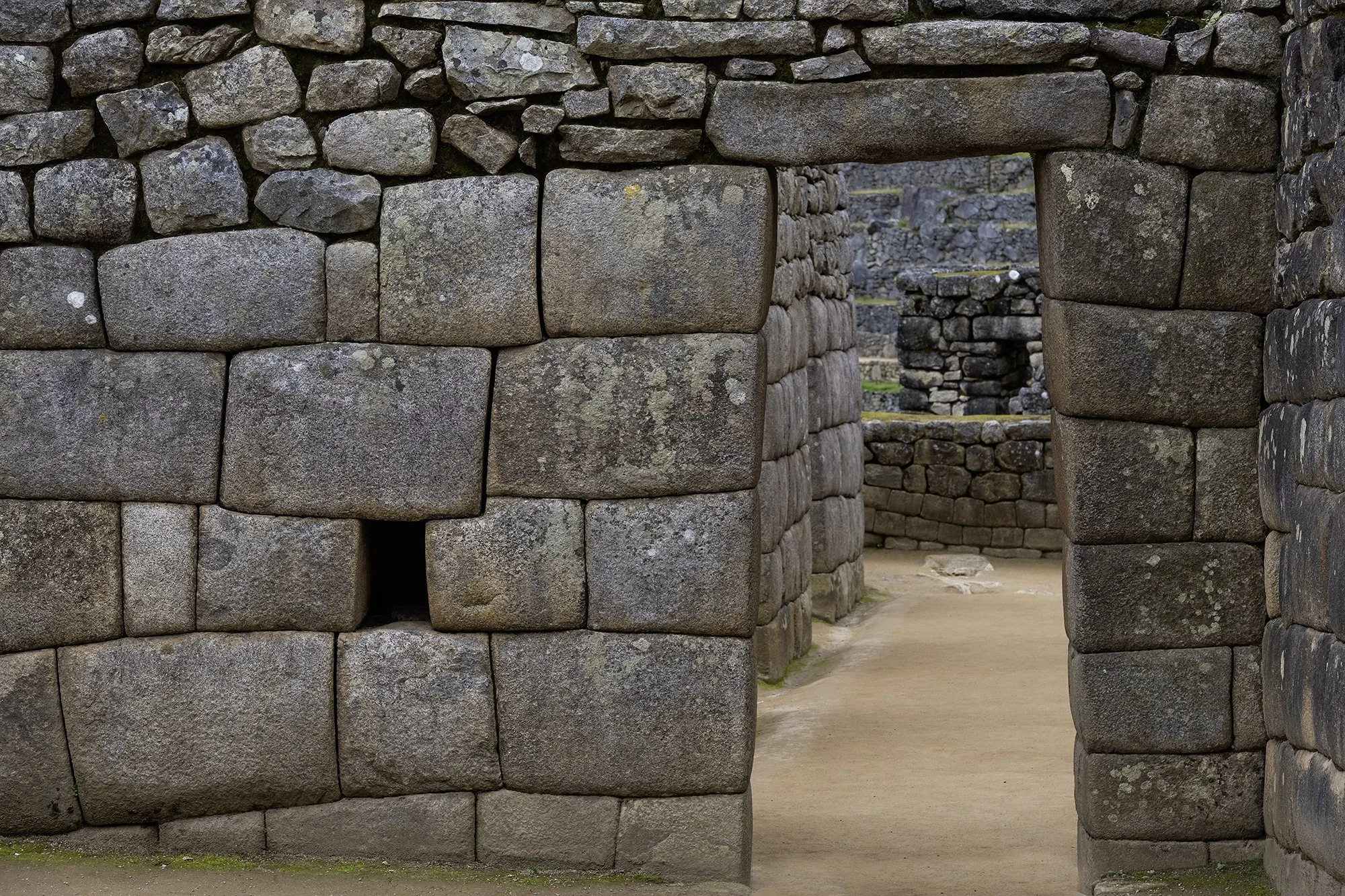
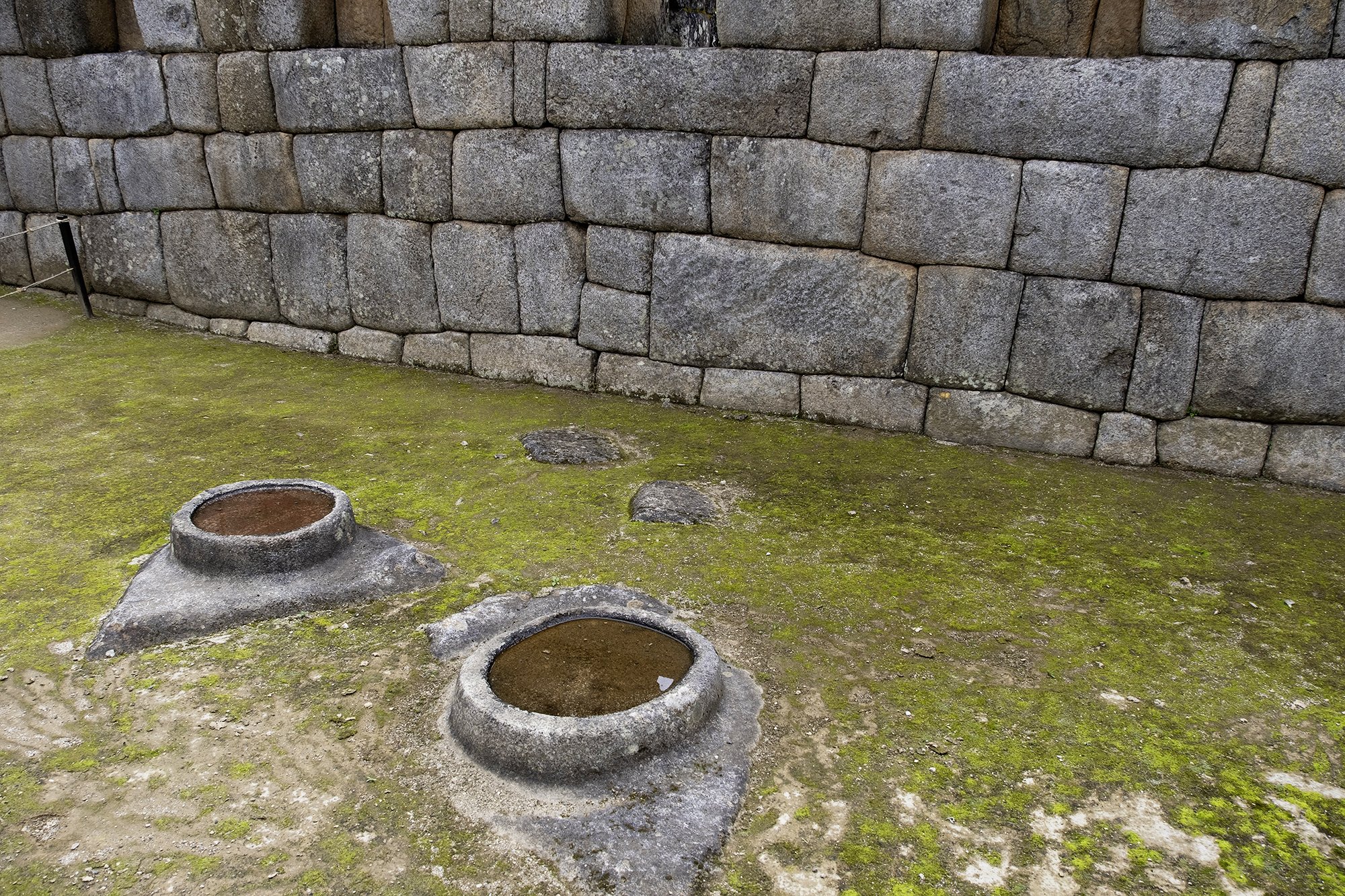
On the day of my visit the weather was perfect as there was quite a lot of cloud but it was high enough to block the sun. This was a good thing as there is very little shade and Machu Picchu is at altitude so the sun is able to instantly fry everyone through the thin air. Yes, you can wear lashings of sun block but it would still be unbearably hot without cloud cover. The altitude (2445m) is a factor to consider when visiting as the air is a lot thinner than at sea level and breathing can be more difficult. I was fortunate that I was mostly unaffected by it although I did eat a few Coca leaves each day. It is what the locals do and I reckoned it was a better option that taking tablets.
Did the trip live up to my expectations? A definite yes! I had set myself a high expectation bar but you can only be amazed by everything Machu Picchu offers. Apart from the fascinating history of the citadel it was a wonderful place to walk around. The construction is centuries ahead of it’s time as all the huge slabs, (up to 4 tons), fit together like a jigsaw which makes it earthquake proof. There is a structure to the city with servants and workers living at the bottom end whilst the elders resided at the top. There are also quite a few terraces on which crops were grown. The Inca people were skilled astronomers, and they placed great importance on understanding the movements of celestial bodies for religious, agricultural, and administrative purposes. Many of the buildings and structures are aligned with astronomical events, such as solstices and equinoxes.